Residential Addiction Treatment
for Men in Oklahoma
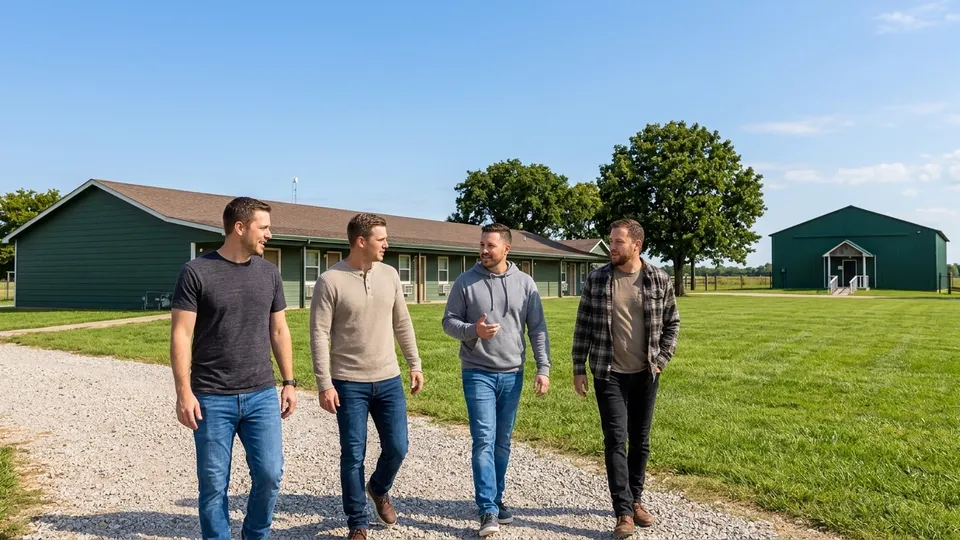
A structured, live-in recovery program on our 20-acre campus near Maud, Oklahoma. For 30, 60, or 90 days, residents live in an environment built specifically to strip away distractions and get to the real work of healing.
What Does Residential Treatment Mean?
Residential treatment, sometimes called inpatient rehab, means living at the facility full-time while receiving daily clinical care. It provides the structure, immersion, and clinical focus necessary to break entrenched patterns of addiction.
ASAM-Classified
Structured residential care with 24-hour support, clinical supervision, and a substance-free living environment.
Evidence-Based
NIDA research consistently shows that longer treatment durations at residential facilities produce better long-term outcomes.
New Surroundings
Step away from where addiction took hold and replace it with one designed entirely for your lasting recovery.
For many men, short-term interventions haven’t been enough. Residential treatment provides what’s often missing: time. And time matters.
No Distractions.
Just the Work.
No cell phones. No internet. Just you, a community of folks going through the same fight, and a clinical team that knows how to help.
We keep a cap on residents at all times. At Clay Crossing, every man here has a name, a story, and a treatment plan built around his specific needs.
Begin Admissions
Who Is Clay Crossing For?
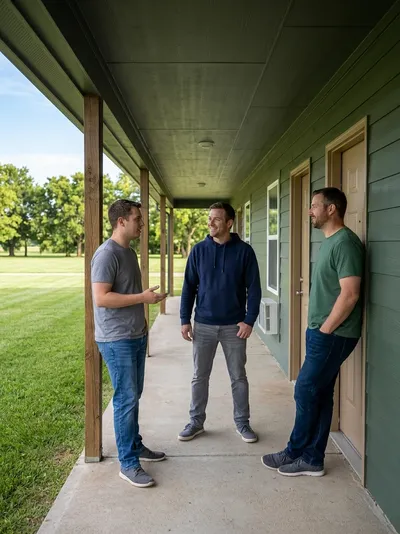
Our residential program serves adult men, ages 18 and older, dealing with substance use disorders including alcohol use disorder, opioid use disorder, and stimulant use disorder. We are also a state-certified co-occurring treatment facility, which means we treat men who have a mental health condition alongside their addiction.
Depression, anxiety, and PTSD are common among the men we serve, and we address those conditions in the same setting.
This program is a good fit for men who have tried to get sober before and relapsed. It is built for men whose addiction is entangled with trauma, mental health struggles, or both. And it works for men who are approaching recovery seriously for the first time and need a strong foundation.
Why Men Only?
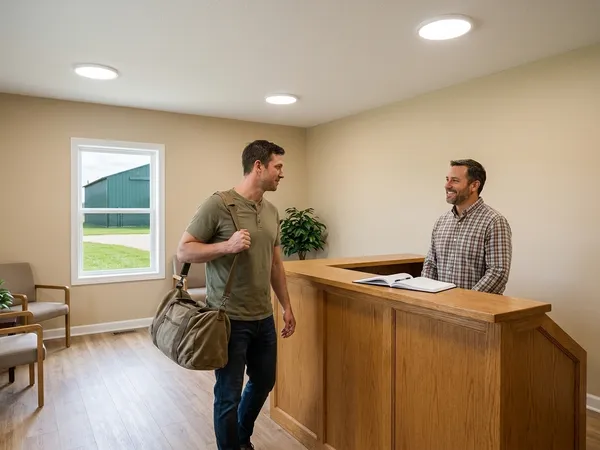
Clay Crossing has been a male-only facility for more than 20 years. Recovery requires brutal honesty, vulnerability, and focus. Mixed-gender environments can introduce social dynamics and distractions that pull attention away from the work. The brotherhood that forms here is one of the most commonly cited strengths of our program.
How Clay Crossing Builds Your Treatment Plan
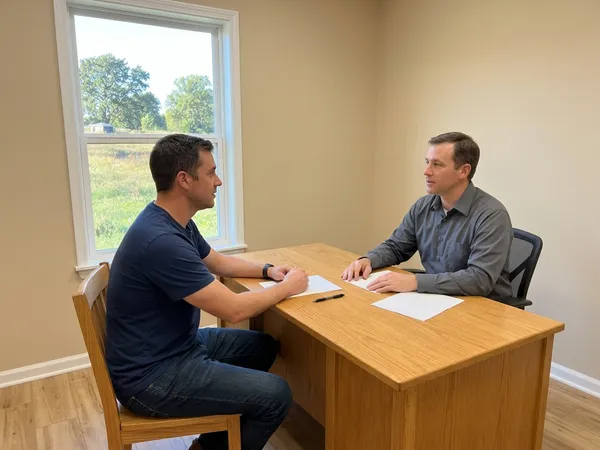
No two men arrive at Clay Crossing with the same history, and no two treatment plans look the same. When a resident enters our program, our clinical team conducts a thorough assessment using the Addiction Severity Index (ASI), ASAM criteria, and evaluation tools for dual diagnosis factors.
That assessment drives an individualized treatment plan that addresses the specific combination of addiction, mental health, trauma, and life circumstances each man brings with him. Treatment plans are dynamic. As residents progress, our counselors adjust the plan to reflect where a person actually is, not where a checklist says they should be.
Evidence-Based Therapies We Use
Cognitive Behavioral Therapy
CBT helps residents identify the negative thought patterns and behaviors that contribute to substance use. It builds practical coping strategies and problem-solving skills that last long after treatment.
Dialectical Behavioral Therapy
DBT focuses on four core skill areas: mindfulness, emotional regulation, interpersonal effectiveness, and distress tolerance. Particularly effective for men with co-occurring mental health conditions.
12-Step Integration
We incorporate 12-step principles into our programming. Residents are encouraged to participate in Alcoholics Anonymous and Narcotics Anonymous meetings as part of their recovery foundation.
Family Treatment
Addiction damages families. Our family treatment program involves loved ones through education, therapy, and support groups to rebuild trust and strengthen long-term recovery networks.
Trauma-Informed Care
Many men who develop substance use disorders have experienced significant trauma. Our program uses trauma-informed care principles to address root causes without retraumatization.
Equine Therapy
Our campus includes equine-assisted therapy, providing therapeutic interactions with horses that help residents develop trust, patience, and emotional awareness.
Structure that restores.
A typical weekday at Clay Crossing consists of meals, group work, study, and rest.
Our Daily Schedule
Our Campus & Environment
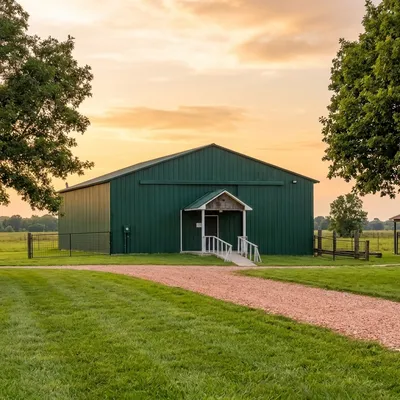
Clay Crossing sits on a 20-acre campus about 60 miles southeast of Oklahoma City. Our location is far enough from the city to remove triggers and urban chaos, but close enough that families can visit and stay involved.
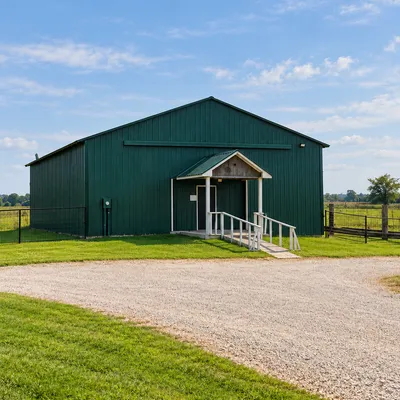
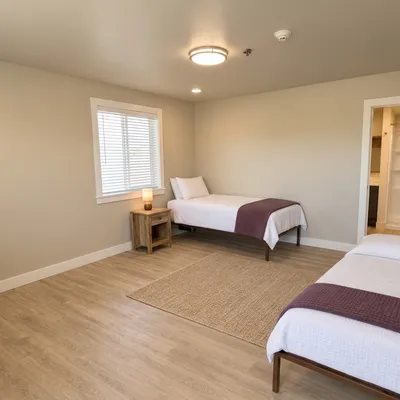
The property includes forested woods, ponds, native grass fields, and walking trails designed for quiet reflection. Residents live in spacious modern living quarters with access to gathering rooms, comfortable seating areas, and TVs.
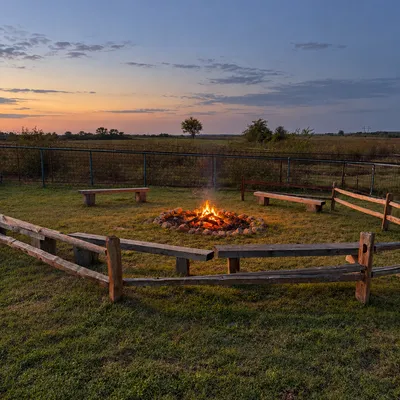
Our recreation facilities include a weight room, pool table, and outdoor activities like fishing, volleyball, softball, disc golf, and cornhole. There’s even a large fire pit to gather and enjoy the evenings.
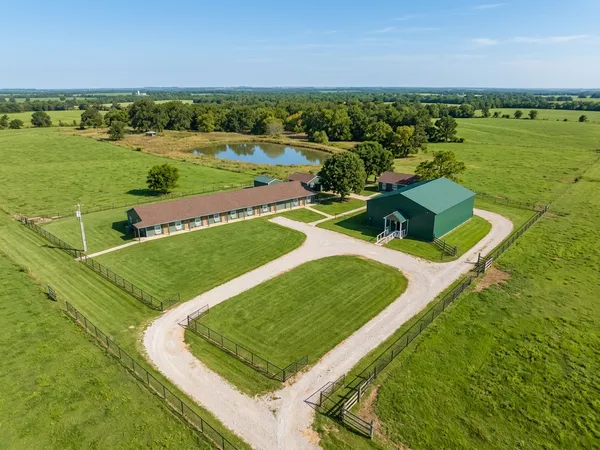
Open pastures, shaded walking trails, and our quiet campus pond create a restorative natural setting for daily life.
Program Length
Days
A focused foundation for men whose clinical assessment indicates a shorter initial stay is appropriate.
Days
Extended time to work through deeper patterns, co-occurring conditions, and build stronger coping skills.
Days
The most thorough option. Research consistently shows that more time in treatment produces better long-term results.
There’s no single “right” length. Program length is determined during the initial assessment and adjusted as treatment progresses. We work with each resident, his family, and his insurance provider to determine the most appropriate duration.
Our Clinical Team
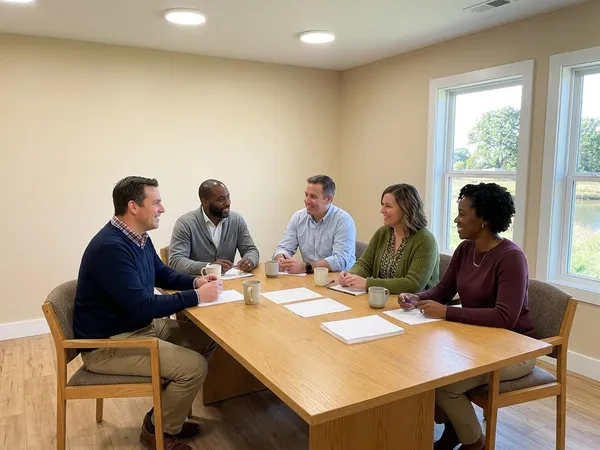
Our staff includes Licensed Professional Counselors (LPC), a National Certified Counselor (NCC), a Licensed Alcohol and Drug Counselor (LADC), Certified Case Managers, and several Peer Recovery Support Specialists.
Peer specialists bring lived recovery experience to the team, which means residents have access to people who have been through the process themselves and understand it from the inside. That combination of clinical training and personal experience is not something every facility offers.
Meet Our TeamInsurance and Cost
Clay Crossing currently accepts SoonerCare, Sooner Select Plans, Aetna Better Health of Oklahoma, Humana Healthy Horizons, Oklahoma Complete Health, and Private Pay. Beginning summer 2026, we will accept all commercial insurance plans.
Coverage varies by plan, and new insurance agreements are being added regularly. The fastest way to find out if your insurance covers treatment here is to call us directly or visit our insurance verification page for more information.
Check CoverageCARF Accredited
Clay Crossing is accredited by CARF International, an independent, nonprofit accreditor of health and human services founded in 1966. CARF accreditation means our facility meets internationally recognized standards for person-centered care, individualized treatment planning, and continuous quality improvement. It’s one of the clearest signals a family can look for when evaluating treatment programs.
After Residential Treatment
Recovery doesn’t end when a resident leaves our campus. Every man who completes our program receives a continuing care plan developed by his treatment team. That plan maps out the next steps, including ongoing therapy, 12-step meeting schedules, relapse prevention strategies, family support, and connections to local resources.
Oklahoma residents can access additional support through the Oklahoma Department of Mental Health and Substance Abuse Services (ODMHSAS), local AA and NA meetings, and community-based peer recovery support.
Start Your Recovery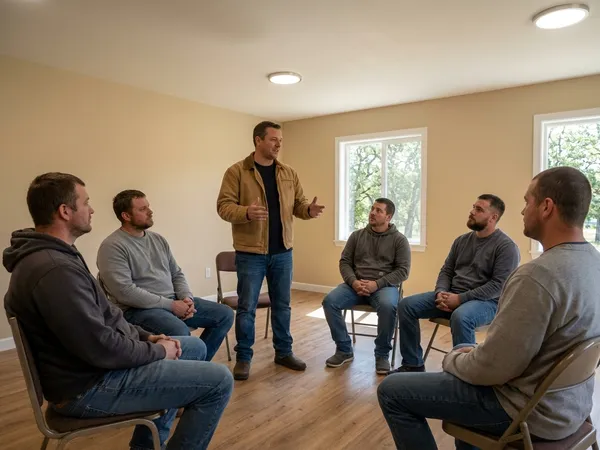
Residential Treatment FAQ
Have a question we didn’t cover?
View All FAQsReady to Reclaim
Your Life?
Our admissions team is available 24/7 to answer your questions, verify your insurance, and guide you through the next steps. You don’t have to do this alone.