Two Decades of Restoring
Men’s Lives
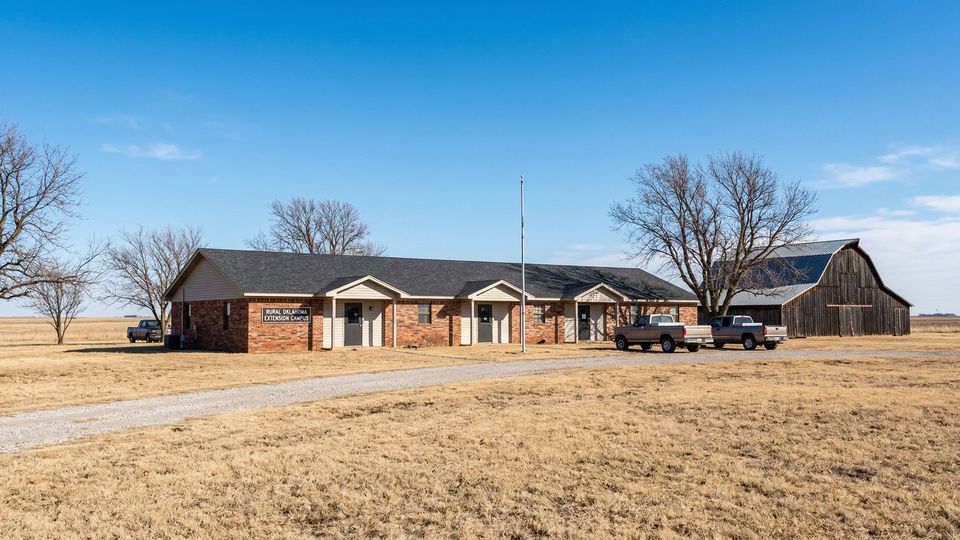
For more than 20 years, Clay Crossing has provided evidence-based residential addiction treatment exclusively for men on our 20-acre campus near Maud, Oklahoma.

Built on Purpose,
Proven by Time.
Clay Crossing Foundation is a nonprofit residential treatment center that has served men battling drug and alcohol addiction for more than 20 years. We were not built to be the biggest facility in Oklahoma. We were built to be the most effective one for the men who walk through our doors.
Thousands of men have come through our program during those two decades. Some arrive after their first serious attempt at getting sober. Others come to us after cycling through facilities that did not work. We meet every man where he actually is and build a treatment plan around his specific needs, not a generic checklist.
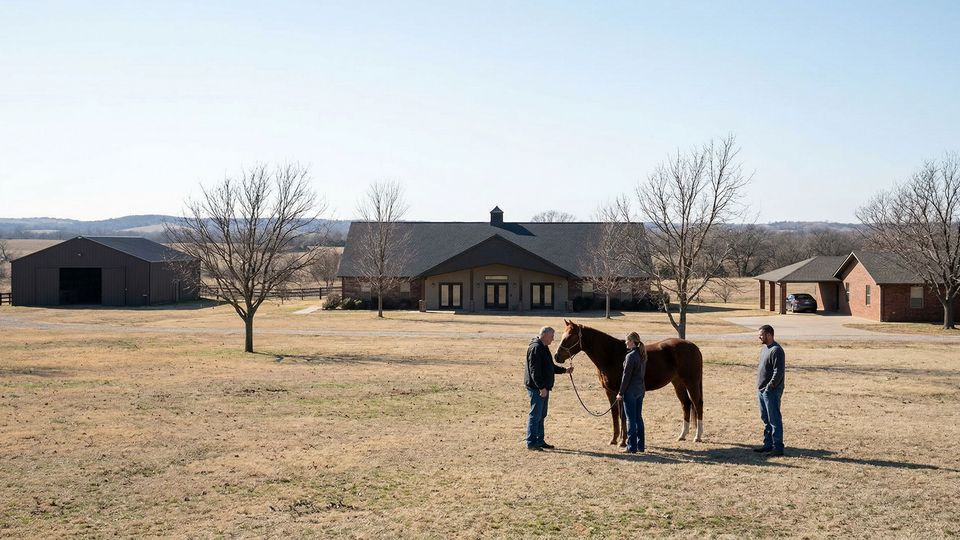
Our campus sits on 20 acres of open land outside Maud, Oklahoma, about 60 miles southeast of Oklahoma City. The location was chosen intentionally: far enough from the city to remove the triggers and chaos that sabotage early recovery, but close enough that families can stay involved in the process.
Mission & Vision
Our Mission
Clay Crossing Foundation believes that men suffering from substance use disorders can achieve long-term sobriety and build a better life. Our rehabilitation program focuses on integrated therapies and healing practices to support residents in the early, critical phases of their recovery. We treat every person who walks through our doors with dignity, and we hold ourselves to a standard of empathy, professionalism, and integrity in everything we do.
Our Vision
Provide compassionate, individualized care that treats the whole person. That means addressing the core problems driving addiction, not just the surface symptoms. We work to help men heal physically, mentally, and spiritually, and we equip them with the tools they need to sustain recovery long after they leave our campus.
The Numbers That Define Us
Who We Serve
Clay Crossing is a male-only residential treatment center for adults 18 and older. We treat men struggling with alcohol use disorder, opioid use disorder, stimulant use disorder, and other substance abuse issues. We are also a state-certified co-occurring treatment facility, meaning we treat men who have both a substance use disorder and a mental health condition such as depression, anxiety, or PTSD.
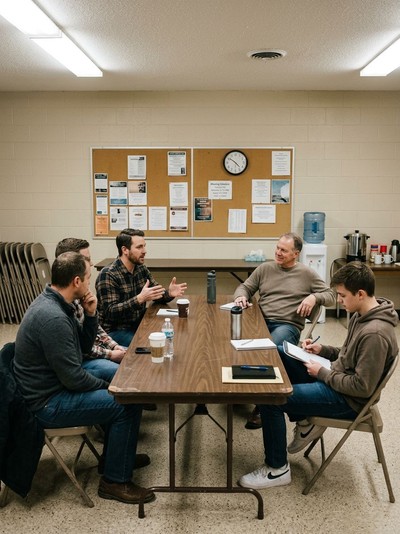
We made the decision long ago to serve men only. Recovery demands brutal honesty, vulnerability, and focus. In our experience, mixed-gender environments can introduce social dynamics and distractions that pull attention away from the therapeutic work. The brotherhood that forms between men working toward the same goal is one of the most powerful parts of the experience, and our residents consistently tell us it is what made the difference.
Learn About Our Residential ProgramWhat Sets Clay Crossing Apart
Small by Design
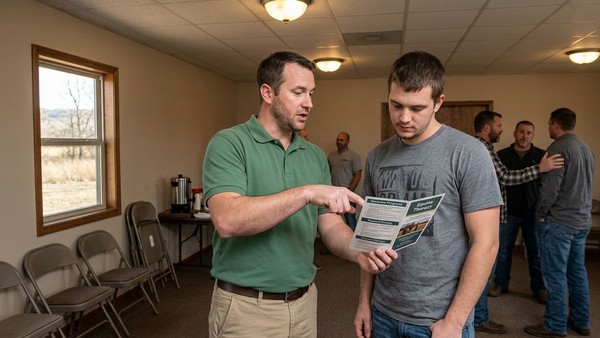
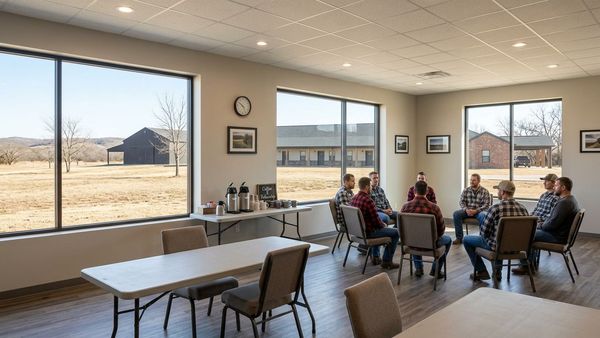
We cap enrollment. Every resident has a name, a story, and a counselor who knows both. Group sessions are real conversations, not lectures to a room of strangers.
Digital Detox
No cell phones. No internet. Removing digital access forces residents to be present, engage with the therapeutic process, and build real relationships with the men around them.
Brotherhood
A community of men facing the same challenge builds genuine accountability. The bonds formed here become one of the strongest parts of long-term recovery.
Evidence-Based Care
Cognitive Behavioral Therapy, Dialectical Behavior Therapy, trauma-informed care, and 12-step integration are the clinical backbone of every individualized treatment plan we build.
Family Involvement
Scheduled phone calls, weekend visitation, family counseling, and education services ensure loved ones are part of the recovery process from the very start.
20-Acre Sanctuary
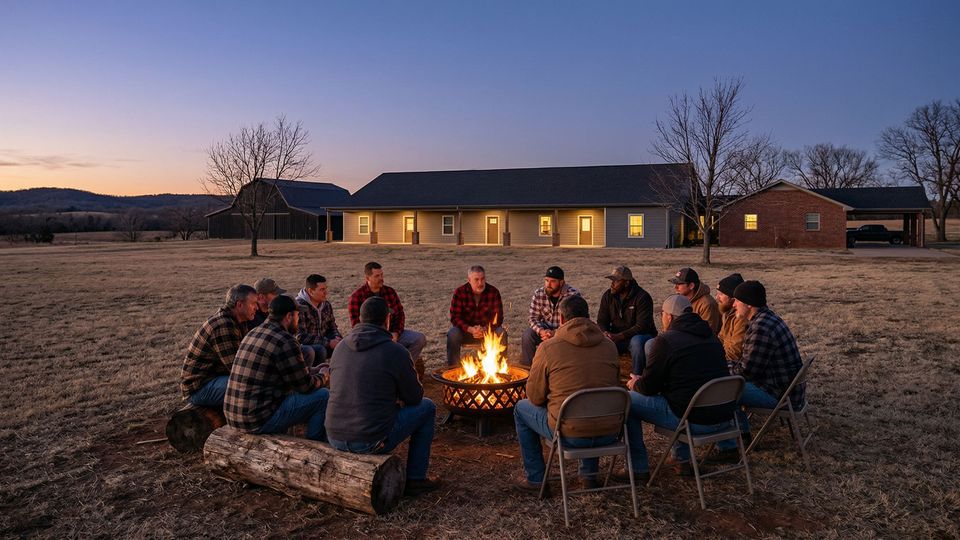
Forested woods, fishing ponds, walking trails, and a fire pit under open sky. Our campus was designed to help men reconnect with themselves and the world around them.
Our Treatment Approach
Every man who enters Clay Crossing receives a customized treatment plan developed by our clinical team using the Addiction Severity Index and ASAM criteria.
Clinical Therapies
Cognitive Behavioral Therapy, Dialectical Behavior Therapy, trauma-informed care, and relapse prevention programming form the clinical backbone of our residential program.
Community & Connection
12-step integration, small group meetings, and peer support build the interpersonal skills that sustain long-term recovery.
Continuing Care
Every graduate receives a detailed continuing care plan with therapy referrals, 12-step schedules, relapse prevention strategies, and connections to local resources.
A Campus Built
for Healing
Clay Crossing sits on 20 acres of open land about 60 miles southeast of Oklahoma City. The property includes forested woods, ponds, native grass fields, and walking trails. Our main office operates out of the original farmhouse on the property, a building that is more than 100 years old.
Residents are housed in spacious modern living quarters with access to gathering rooms and comfortable common areas. Recreation is built into the culture: a weight room, a rec room with a pool table, and outdoor activities including fishing, volleyball, softball, disc golf, and cornhole. There is a large fire pit where residents gather in the evenings, and all meals are home-cooked and served on campus.
Tour Our Facility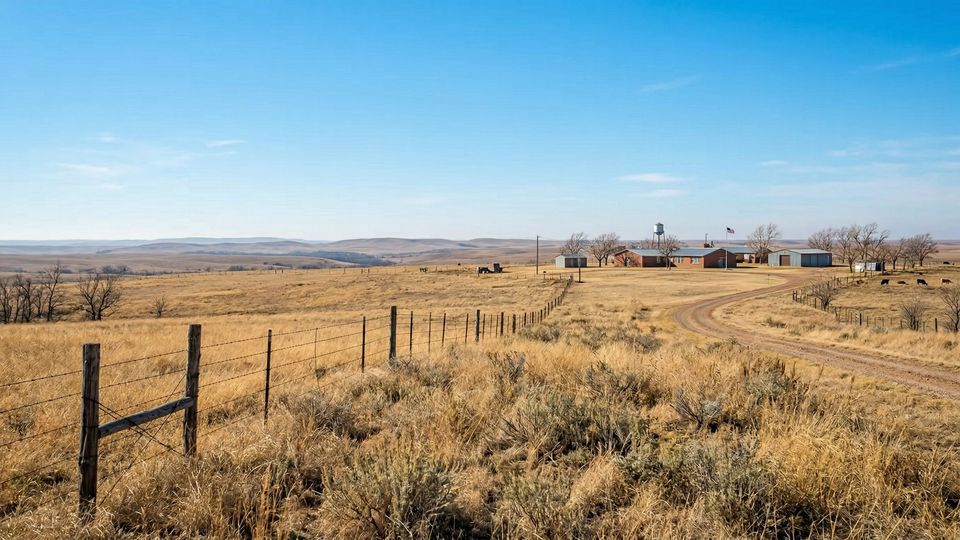
Our Clinical Team
We have a dedicated staff of professionals including Licensed Professional Counselors, a National Certified Counselor, a Licensed Alcohol and Drug Counselor, Certified Case Managers, and Peer Recovery Support Specialists who bring lived experience with recovery to their work.
Dr. Robert Hayes
Medical Director MD, FASAMMichael Sterling
Clinical Director LPC, LADCJames O’Connor
Lead Counselor National Certified CounselorThe combination of licensed clinical expertise and lived recovery experience is intentional. It means residents get both the evidence-based treatment they need and the human connection that makes it land.
Meet the Full TeamFamily Is Part of
the Process
Addiction does not happen in isolation, and recovery should not either. We encourage family involvement throughout treatment. Residents have access to scheduled phone calls in the evenings, and weekend visitation by preapproved family members is welcomed. As residents progress through the program, day passes and overnight passes become available.
Our family counseling and education services are designed to rebuild the trust and communication that addiction so often damages. Men who maintain healthy family connections during treatment have a stronger foundation when they return home.
Begin the Admissions Process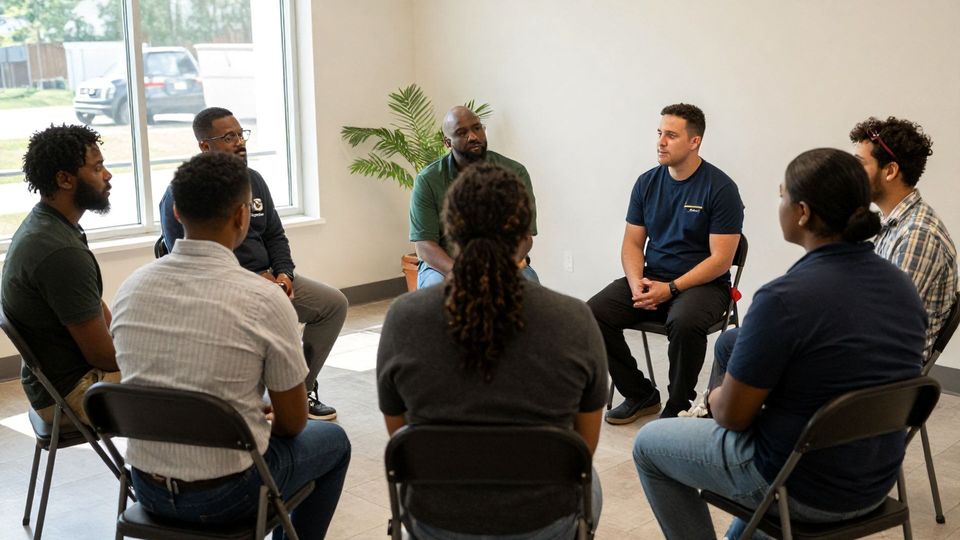
Accreditation & Insurance
CARF Accredited
Clay Crossing is accredited by CARF International, demonstrating conformance to internationally recognized standards of care. This accreditation is recognized by federal and state governments as evidence of a commitment to quality and continuous improvement.
State certified for co-occurring disorder treatment.
Insurance Accepted
We currently accept SoonerCare, Sooner Select Plans, Aetna Better Health of Oklahoma, Humana Healthy Horizons, Oklahoma Complete Health, and Private Pay. Beginning summer 2026, we will accept all commercial insurance plans.
Verify Your CoverageFrequently Asked Questions
Answers to the questions we hear most from families and men considering treatment at Clay Crossing.
Have a question we didn’t cover?
View All FAQsIf you or someone you know is in crisis, contact the 988 Suicide & Crisis Lifeline by calling or texting 988. In an emergency, call 911.
National Institute on Drug Abuse (NIDA)
Principles of drug addiction treatment
SAMHSA’s National Helpline
1-800-662-4357 (free, 24/7)
American Society of Addiction Medicine (ASAM)
ASAM criteria for addiction treatment
Oklahoma Department of Mental Health and Substance Abuse Services
State treatment resources
Find A.A. Near You
Alcoholics Anonymous meeting locator
Find N.A. Near You
Narcotics Anonymous meeting locator
Ready to Reclaim
Your Life?
Our admissions team is available 24/7 to answer your questions, verify your insurance, and guide you through the next steps. You don’t have to do this alone.