Faith-based alcohol recovery is a treatment approach that pairs clinical addiction care with spiritual practices, scripture-informed principles, and faith community support. Rather than treating alcohol use disorder as a purely medical problem, these programs address the whole person, including the spiritual disconnection that many people experience during active addiction. Programs like Clay Crossing in Oklahoma integrate evidence-based therapy with Christian principles to help men rebuild their lives from the inside out.
If you or someone you love is struggling with alcohol and wondering whether a faith-integrated program might be the right path, this guide explains what faith-based recovery involves, how it compares to secular treatment, and how to decide if it fits.
Key Takeaways
- Faith-based alcohol recovery combines clinical treatment (therapy, medical support, relapse prevention) with structured spiritual practices and community.
- Most faith-based programs do not require a specific religious background or belief system to participate.
- Research supports the role of spirituality and religious involvement as protective factors in long-term addiction recovery.
- Quality faith-based programs are licensed, accredited, and staffed by credentialed clinicians, not just pastoral counselors.
- Insurance coverage for faith-based rehab works the same way it does for any licensed treatment program.
What Is Faith-Based Alcohol Recovery?
Faith-based alcohol recovery is a structured treatment model that integrates spiritual disciplines (prayer, scripture study, worship, confession, service) into a clinical framework for treating alcohol use disorder. The clinical side includes individual and group therapy, medical assessment, relapse prevention, and mental health support. The spiritual side provides meaning, accountability, forgiveness, and community that many people find essential to lasting sobriety.
This model has roots in Alcoholics Anonymous, which was built on spiritual principles in the 1930s. Modern faith-based treatment programs have evolved well beyond AA meetings, though. Accredited programs employ licensed therapists, use evidence-based modalities like Cognitive Behavioral Therapy (CBT) and Dialectical Behavior Therapy (DBT), and meet the same regulatory standards as secular treatment centers. The difference is that faith is woven into the recovery process rather than set aside. In Oklahoma, where church attendance and religious identity remain high, this approach serves a population that often feels more at home in a spiritually informed environment than a purely clinical one.
Core Components of a Faith-Based Treatment Program
Spiritual Practices and Community
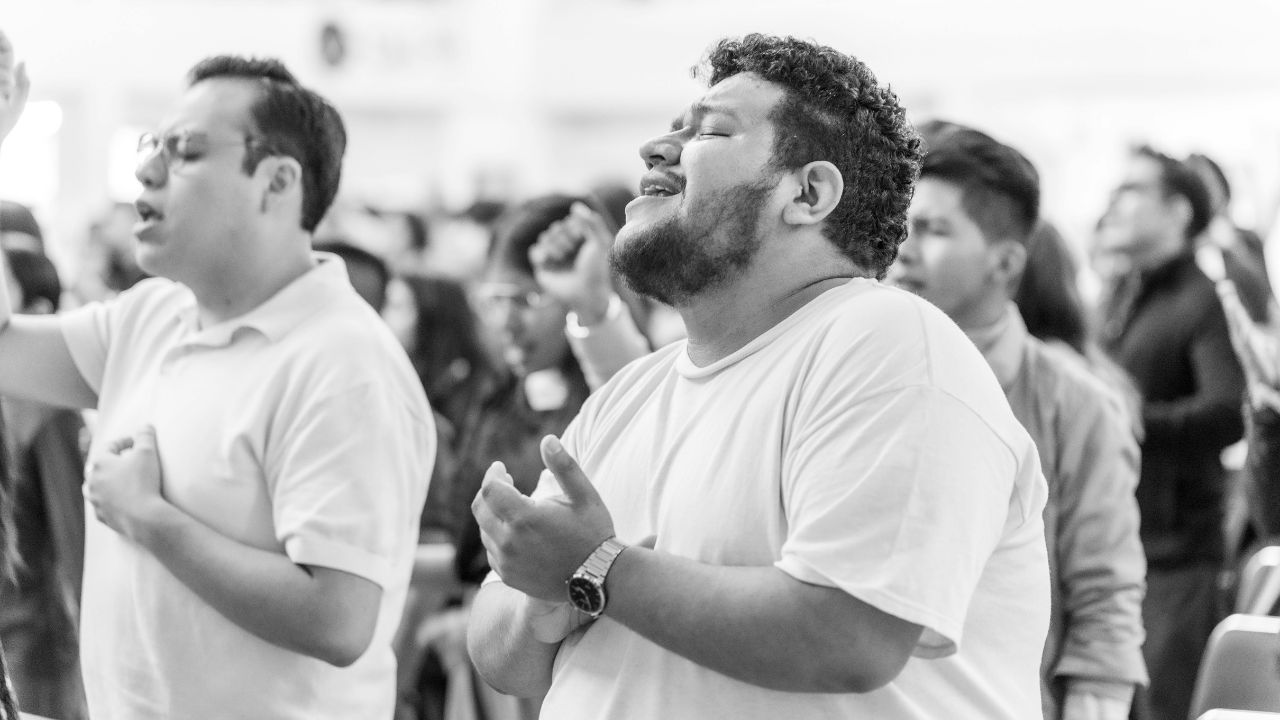
The spiritual element of faith-based rehab is not a single activity. It is an environment. Daily devotionals, prayer, scripture study, and worship services create rhythm and structure in early recovery, when most men are struggling to fill the space that drinking used to occupy. Chaplains or pastoral counselors are often available alongside licensed therapists, offering support for guilt, shame, and existential questions that clinical therapy may not fully address.
Community is the other half. Addiction isolates people. Faith-based programs rebuild connection through small group settings, shared meals, accountability partnerships, and the expectation that residents show up for one another.
Clinical and Therapeutic Support
A credible faith-based program does not replace therapy with prayer. It layers them together. The clinical backbone should include individual counseling with licensed professionals, group therapy addressing triggers, coping skills, trauma, and family dynamics, and medical support when needed.
Evidence-based therapies like CBT help men identify the thought patterns that lead to drinking and build healthier responses. DBT teaches emotional regulation and distress tolerance, which is particularly valuable for men dealing with co-occurring depression, anxiety, or PTSD. Medication management is part of quality faith-based programs as well, despite a misconception that faith-based care avoids medication.
12-Step and Scripture-Integrated Approaches
The 12-step model has always been spiritually oriented. Steps like admitting powerlessness, turning one’s will over to a higher power, making amends, and continuing moral inventory align naturally with Christian teachings on humility, repentance, and reconciliation. Faith-based programs often use the 12 steps as a shared language between the clinical and spiritual sides of treatment. Some programs go further, incorporating scripture directly into therapeutic exercises or using faith-specific curricula like Celebrate Recovery alongside traditional clinical modalities.
How Faith-Based Recovery Differs From Secular Treatment
Secular treatment programs and faith-based programs share the same clinical foundation. Both use licensed clinicians, evidence-based therapies, medical oversight, and structured daily programming. The difference is in what sits alongside the clinical work. Secular programs keep spirituality optional or absent. Faith-based programs build it into the structure of each day.
For some people, this distinction does not matter much. For others, it changes everything. Men who feel that their addiction is not just a medical problem but a spiritual one, who carry guilt they cannot process through therapy alone, or who want their recovery to include reconnecting with God often find that faith-based care addresses something secular programs leave untouched. Neither path is inherently better. The question is which one fits the person.
One concern people raise is whether faith-based programs sacrifice clinical quality for religious content. In accredited programs, the answer is no. Accreditation bodies like CARF International hold faith-based facilities to the same standards as any other treatment provider.
Is Faith-Based Rehab Right for You?
Faith-based recovery tends to be a strong fit for people who meet one or more of these descriptions:
- You have a faith background you want to reconnect with during recovery.
- You are spiritually curious and open to exploring faith as part of your healing.
- You have tried secular treatment before and felt that something was missing.
- You experience guilt or shame around your drinking that feels spiritual in nature, not just psychological.
It is worth noting what faith-based recovery does not require. Most programs do not ask you to identify with a specific denomination, pass a belief test, or convert to anything. The spiritual elements are there for support and structure, not as conditions of admission.
Not sure if faith-based treatment is the right fit? A confidential conversation with the team at Clay Crossing can help you figure that out, with no commitment required. Call (405) 374-6595 anytime.
Finding Faith-Based Alcohol Treatment in Oklahoma
When evaluating faith-based programs, a few things separate quality care from well-meaning but underprepared ministries. Accreditation matters: a program accredited by CARF International or a similar body has been independently evaluated against established care standards. The clinical staff should include credentialed professionals, not only pastors or volunteers. And the program should use evidence-based treatment approaches alongside its spiritual framework.
Clay Crossing is a nonprofit, CARF-accredited residential treatment center for men located on 400 acres near Maud, Oklahoma, about 60 miles from Oklahoma City. The program is grounded in Christian principles of love, repentance, and forgiveness, and has been serving men with substance use disorders for over 20 years. The clinical team includes licensed professional counselors, licensed alcohol and drug counselors, certified case managers, and peer recovery support specialists delivering CBT, DBT, family therapy, trauma-informed care, medication management, and 12-step integration.
Clay Crossing is also a state-certified co-occurring treatment facility, meaning the team treats depression, anxiety, PTSD, and other mental health conditions alongside addiction. The center accepts SoonerCare, managed Medicaid plans (SoonerChoice, Oklahoma Complete Health), Aetna, Humana, Health Choice, and private pay. With a cap of 28 residents, the community stays small enough for genuinely individualized care. The rural campus includes walking trails, fishing ponds, a weight room, disc golf, and horses on the property. Family involvement is built into the model through family counseling, education, and structured weekend visitation.
Frequently Asked Questions
What Religion Do Faith-Based Rehab Programs Follow?
Most faith-based programs in the United States are rooted in Christian traditions, though the specific denomination varies. Some are nondenominational, drawing on broad Christian principles without aligning to a particular church. Programs rooted in other faith traditions exist but are less common. Clay Crossing is grounded in Christian principles of love, repentance, and forgiveness.
Can I Attend a Faith-Based Recovery Program if I’m Not Very Religious?
Yes. Most faith-based programs welcome people regardless of their current level of belief or practice. You do not need to be a regular churchgoer to benefit from the structure, community, and values that faith-based care provides. At Clay Crossing, no specific belief system is required for admission.
What Does a Typical Day Look Like in a Faith-Based Alcohol Treatment Program?
Days are structured and full. At Clay Crossing, the schedule runs from breakfast at 6:30 a.m. through evening study groups at 8:00 p.m. In between, residents attend group therapy, individual counseling, life skills training, relapse prevention sessions, and spiritual programming. Free time includes recreation, exercise, and personal time on the campus.
Is Faith-Based Addiction Treatment Covered by Insurance?
Yes, as long as the program is licensed and accredited. Insurance coverage for addiction treatment is based on the clinical services provided and the program’s licensure status, not its spiritual orientation. The Mental Health Parity and Addiction Equity Act requires that insurance plans offering behavioral health coverage provide it at the same level as medical and surgical benefits.
How Effective Is Faith-Based Rehab Compared to Traditional Treatment?
Research published in journals like the Journal of Substance Abuse Treatment has found that religious involvement and spiritual practices are associated with lower relapse rates and better long-term outcomes. The clinical components of faith-based treatment are the same evidence-based therapies used in secular programs. The spiritual layer adds motivation, community, and meaning that many people find protective against relapse.
Does Faith-Based Recovery Include Medical Detox?
This varies by program. Some faith-based residential centers offer on-site medical detox, while others coordinate with a detox facility before admission. Alcohol withdrawal can be medically serious, so any quality program will ensure detox happens under appropriate medical supervision before therapeutic programming begins.
How Long Does a Faith-Based Alcohol Recovery Program Last?
Program length depends on individual need. Clay Crossing offers 30-, 60-, and 90-day residential programs, with longer stays available. Research from the National Institute on Drug Abuse (NIDA) consistently shows that longer stays in treatment produce better outcomes, with 90 days often cited as a minimum threshold for lasting change.
How Do I Know if Faith-Based Treatment Is Right for My Loved One?
Consider whether your loved one has a faith background they want to reconnect with, or whether they have described feeling spiritually empty alongside their drinking. If previous treatment attempts felt incomplete, a faith-based approach may address what was missing. The best way to find out is to call a program that offers this model and ask questions specific to your family’s situation.
Take the First Step
Recovery from alcohol addiction asks a person to rebuild their life while their body, mind, and relationships are still recovering. Faith-based treatment offers a path that includes clinical support for the addiction and spiritual support for the person underneath it.
If you or someone you love is ready to explore faith-based alcohol recovery, Clay Crossing is here to help. Call (405) 374-6595 to talk with someone about your situation and find out whether this program is the right fit. Admissions are available 24/7. You can also visit claycrossing.com to learn more about the program and what to expect.
Crisis and Emergency Resources
If you or someone you know is in crisis, help is available right now.
- 988 Suicide and Crisis Lifeline: Call or text 988 for free, confidential support 24/7. 988lifeline.org
- SAMHSA National Helpline: 1-800-662-HELP (4357), a free, confidential, 24/7 treatment referral and information service. samhsa.gov
- Crisis Text Line: Text HOME to 741741 to connect with a trained crisis counselor.
For medical emergencies, call 911 immediately.